





 TEL:13615481234


Maintenance cycle of gantry crane
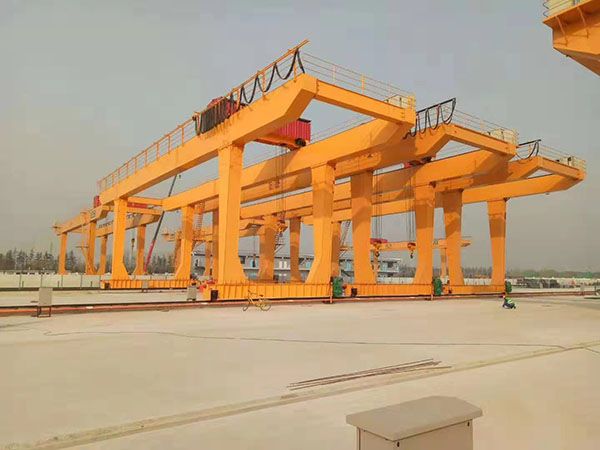
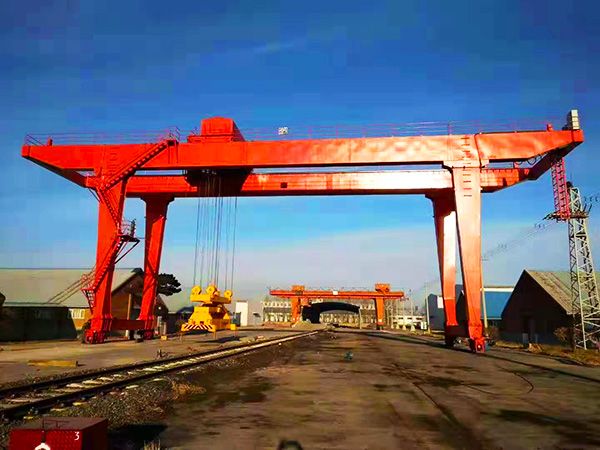
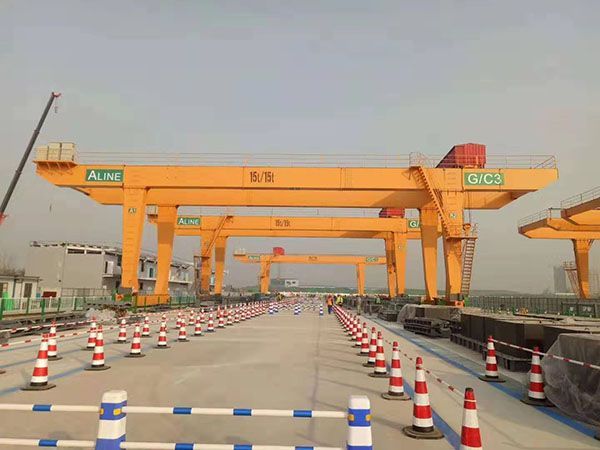
Shandong Gantry Crane Manufacturer Reminds You: The maintenance cycle for gantry cranes is not a uniform fixed standard but a tiered maintenance system determined by combining national specifications, equipment operating conditions, working environment, equipment parameters, and manufacturer technical requirements. The core principle is "taking national standards as the baseline, operating conditions as the core, the environment as the adjustment factor, and the manual as the reference," ensuring stable equipment operation, avoiding safety hazards, and aligning with the characteristics of gantry cranes used in outdoor operations.
National industry standards serve as the fundamental basis for maintenance cycles. According to requirements such as the "Safety Regulations for Cranes" and the "Design Code for Cranes," the minimum inspection and maintenance frequencies for various components of gantry cranes are clearly stipulated, establishing mandatory thresholds for equipment maintenance. Key safety components, including safety protection devices, steel wire ropes, braking systems, and windproof devices, have mandatory inspection cycles that cannot be arbitrarily extended. Additionally, for gantry cranes operating outdoors, national standards mandate higher maintenance frequency compared to indoor overhead cranes, ensuring safety in outdoor operations at the regulatory level.
The operating conditions of the equipment are the core factor in adjusting maintenance intervals. The working duration, load intensity, and frequency of startups and shutdowns directly determine the wear rate of components, serving as the key to interval fine-tuning. For high-frequency operation scenarios such as material yards and prefabrication plants, where equipment runs over 8 hours daily, frequently starts and stops under full load, and operates continuously, components wear out quickly and suffer severe fatigue damage. Maintenance intervals should be reduced by approximately 30%. For conventional medium-duty conditions—defined as 4 to 6 hours of daily operation with primarily half-load workloads—the standard maintenance cycle can be implemented. In contrast, for light-duty conditions involving temporary or intermittent use at construction sites, where equipment wear is minimal, maintenance intervals can be moderately extended by 20% to 30%.
The working environment is a crucial factor affecting maintenance cycles. Portal cranes are often installed and used outdoors, where environmental conditions significantly impact equipment wear. In areas with heavy wind, sand, or dust, bearings, pulleys, and electrical control devices are prone to contamination and wear, necessitating shortened lubrication and electrical inspection intervals. Coastal regions with high humidity and acid-alkali corrosion can accelerate the rusting of steel structures and steel wires, requiring increased frequency of anti-corrosion and component inspections. Rain, snow, and extreme cold weather can compromise electrical waterproofing and track stability, making it necessary to conduct specialized inspections and maintenance after rain or winter to mitigate fault risks.
In addition, the equipment specifications and the original manufacturer's manual serve as crucial references. Large-tonnage, double-girder gantry cranes feature complex structures and heavy load-bearing capacities, necessitating more frequent maintenance cycles for key components, whereas smaller, lightweight gantry cranes may allow for appropriately relaxed maintenance intervals. Meanwhile, the exclusive maintenance standards formulated by manufacturers based on equipment structure and component performance must be implemented in conjunction with national standards, adhering to the principle of "strict compliance without leniency.".
R1: "暴雨" must be translated as rainstorm.
Based on the above considerations, the gantry crane has established a hierarchical periodic maintenance system, including pre-shift daily inspections, weekly maintenance, monthly upkeep, semi-annual servicing, and annual overhauls. Additionally, temporary maintenance is implemented for special circumstances such as prolonged inactivity or after severe weather events like typhoons and rainstorms, ensuring comprehensive protection for the equipment's safe, stable, and long-term operation.
| Previous:Methods to Determine Whether the Steel Wire Rope of the Gantry Crane Needs Replacement | Next:What are the characteristics and advantages of double beam cranes |



 Home
Home
 Tel
Tel
 Product