





 TEL:13615481234


What are the functions of a single-girder crane
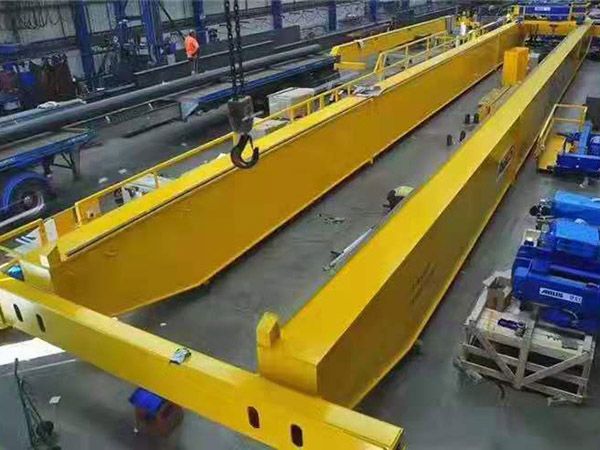
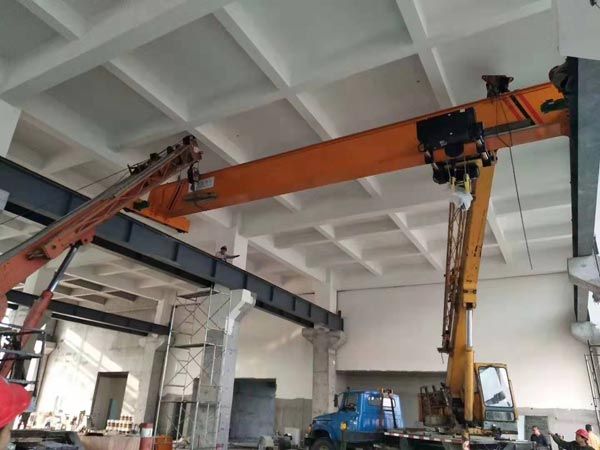
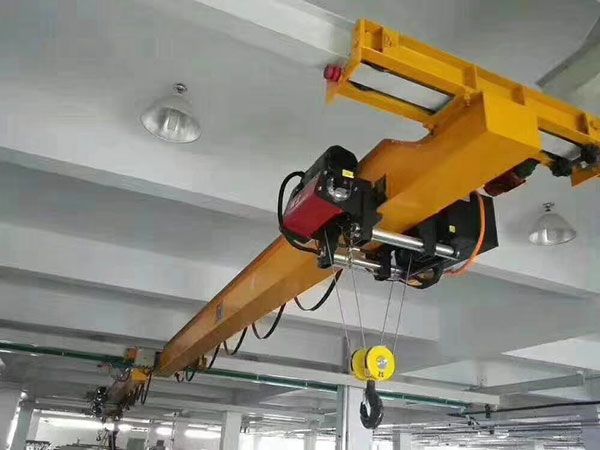
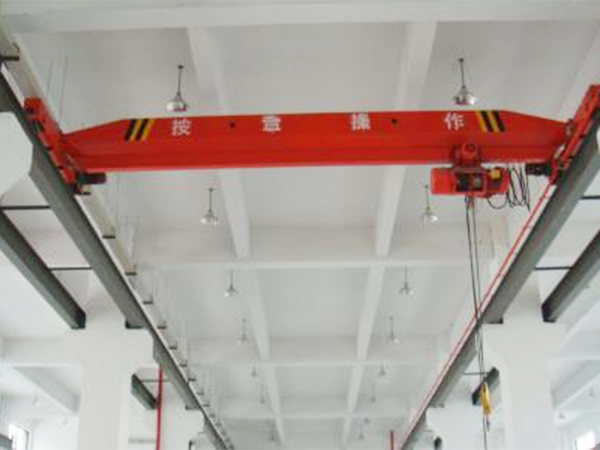
The single-girder crane is a widely used lifting device in industrial production, logistics transportation, construction sites, and other scenarios. Its core function is to lift, move, and position heavy loads, thereby improving operational efficiency, ensuring safety, and meeting diverse work requirements. Below is a detailed explanation compiled by Shandong single-girder crane manufacturers:
1. Handling and Loading
Horizontal and Vertical Movement: The single-girder crane can move horizontally along the main girder using an electric hoist or manual device, while lifting or lowering loads, enabling rapid material transfer within workshops, warehouses, or construction sites.
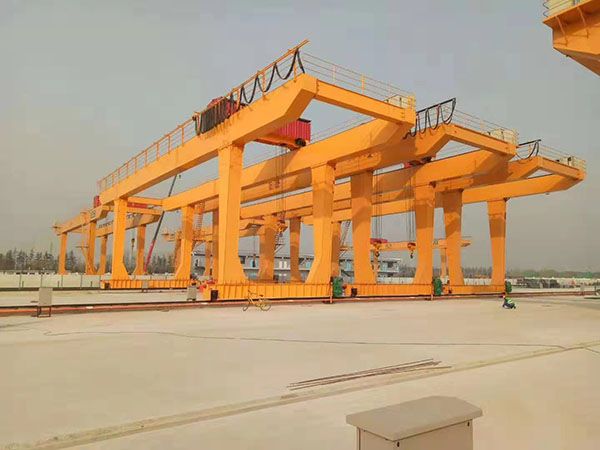
Loading and Unloading Optimization: In logistics centers, ports, or stations, single-girder cranes can swiftly handle containers, large equipment, or bulk materials, reducing manual handling labor intensity and time costs.
2. Positioning and Installation
High-precision operation: Single-girder cranes equipped with variable frequency speed control or remote control systems enable fine-tuned positioning of heavy loads, making them suitable for scenarios requiring high precision such as mechanical assembly, mold replacement, or equipment maintenance.
Space Utilization: The single-beam structure is compact and suitable for use in factories or workshops with limited space, enabling the flexible movement of heavy loads to optimize production layouts.
3. Enhance Work Safety
Reduce manual risks: Replace manual handling of heavy loads to prevent workplace injuries caused by physical strain or improper operation.
Safety protection devices: Modern single-girder cranes are typically equipped with safety features such as limiters, overload protection, and emergency braking to reduce the risks of equipment failure or operational errors.
4. Adapt to diverse scenarios
Light to medium loads: Single-girder cranes are typically designed for loads ranging from 1 to 20 tons, suitable for light industrial applications such as machining, automotive manufacturing, and electronic assembly.
Customized Design: Special functions such as explosion-proof, insulation, and corrosion resistance can be configured according to requirements, adapting to special environments like chemical processing, food production, or outdoor operations.
5. Improve production efficiency
Process Automation: Integrates with equipment such as conveyor belts and automated warehousing systems to achieve continuous material flow and reduce production cycles.
Multitasking: The single-beam crane can quickly switch between tasks, such as from raw material handling to finished product stacking, enhancing equipment utilization.
6. Cost-effectiveness advantage
Low initial investment: Compared to double girder cranes, the single girder structure is simpler, with lower manufacturing costs and maintenance expenses, making it suitable for enterprises with limited budgets.
Long-term economic benefits: By reducing labor costs and equipment downtime, the single-girder crane can achieve significant cost savings in long-term operations.
7. Flexibility and Scalability
Modular design: Components such as the main beam, end beam, and electric hoist can be independently replaced or upgraded, allowing for easy adjustment of lifting capacity based on business needs.
Mobile options: Some single-girder cranes are designed as mobile (e.g., electric single-girder suspended cranes), suitable for multi-station operations or temporary projects.
| Previous:Maintenance cycle of gantry crane | Next:Daily Inspection and Maintenance Precautions for Gantry Cranes |



 Home
Home
 Tel
Tel
 Product